Built for R&D teams turning materials data into shipping decisions.
Connect discovery, synthesis, simulation, supply risk, IP, and qualification in one workflow for battery, catalyst, packaging, polymer, and industrial materials teams.
One platform, three ways to plug into the work.
The same governed materials intelligence available wherever the organization works — through the application, the API, or MCP.
Decision-ready application layer
For scientists and program leads who need search, comparison, reports, and package views without stitching together five tools.
API and SDK workflows
For data, automation, and platform teams building Lattice Graph into screening pipelines, internal apps, or model evaluation loops.
MCP and agent-native operations
For AI-forward R&D groups that want assistants and agents to explore materials, compare options, and produce technical deliverables.
Top 25 industries by workflow fit.
Ranked by how directly existing Lattice Graph workflows map to real work in that sector today.
Top five immediate wedge markets
EV battery manufacturing
Best fit for cathode and electrolyte screening, cycle-life prediction, precursor alternatives, and qualification tradeoffs.
Learn more →#2Grid-scale energy storage
Useful for battery material ranking, degradation forecasting, cost-risk balancing, and longer-horizon chemistry selection.
Learn more →#3Battery recycling and second life
Strong fit for early-life assessment, digital twin workflows, chemistry triage, and reuse or recovery decisions.
Learn more →#4Solid-state battery developers
Helps narrow electrolyte and interface candidates using stability, synthesis, patent, and corroboration signals.
Learn more →#5Electrolyzers and green hydrogen
Direct fit for HER/OER catalyst workflows, intervention scoring, and package-style comparison before lab spend.
Learn more →Full ranking
Fuel cells
Useful for catalyst and materials tradeoff work where durability, sourcing, and performance need one decision surface.
Learn more →Sustainable aviation fuel and e-fuels
Strong for catalyst selection, process package evaluation, and commercialization filters around emerging fuel programs.
Learn more →Refining and petrochemical catalysis
Fits organizations that need catalyst replacement logic, deactivation context, and economics plus IP in one view.
Learn more →Carbon capture and utilization
Helpful for screening sorbents, catalysts, and process candidates with risk, feasibility, and deployment context.
Learn more →Semiconductor packaging
High fit for dielectrics, TIM, package materials, reliability planning, and qualification-aware shortlisting.
Learn more →Power semiconductors
Useful where GaN and SiC teams need supporting materials and package-stack decisions, not only device physics.
Learn more →Electronic components and passive devices
Supports dielectric, ceramic, and package-material decisions for capacitors, modules, and other high-reliability parts.
Learn more →Thermal interface materials
Good fit for formulation narrowing, package comparison, and failure-mode-aware material selection.
Learn more →Specialty polymers
Useful for property search, family comparison, formulation narrowing, and bringing sourcing into the same screen.
Learn more →Coatings and surface treatments
Helps teams compare candidate materials and process tradeoffs when durability, sourcing, and qualification all matter.
Learn more →Adhesives, sealants, and encapsulants
Relevant for polymer-heavy teams that need to balance formulations against downstream package and qualification constraints.
Learn more →Advanced ceramics
A strong match for dielectric, thermal, structural, and synthesis-window decisions in ceramic material programs.
Learn more →Specialty chemicals and additives
Useful when chemical R&D teams need to compare candidate chemistries with supply, IP, and scale-up context.
Learn more →Cement and low-carbon construction materials
Helpful for lower-temperature routes, process-window comparisons, and package-style evaluation of material upgrades.
Learn more →Solar and photovoltaic materials
Good for candidate discovery, patent landscape review, and manufacturability-aware filtering of emerging material systems.
Learn more →Consumer electronics hardware
Benefits teams juggling batteries, thermal management, dielectrics, packaging, and qualification under compressed timelines.
Learn more →Automotive materials engineering
Strong where battery, package, thermal, sourcing, and qualification decisions need to line up before platform adoption.
Learn more →Aerospace and defense materials
Useful for high-reliability screening and diligence workflows where evidence quality and qualification burden matter early.
Learn more →Optoelectronics and photonics
Relevant for organizations evaluating electronic, dielectric, polymer, and packaging materials around device integration needs.
Learn more →Water treatment and electrochemical process systems
A fit for electrochemical and catalyst-heavy programs that need material, process, and commercialization context together.
Learn more →Core industry coverage.
Evaluate a material or process, understand whether it can be made and scaled, and decide what to do next.
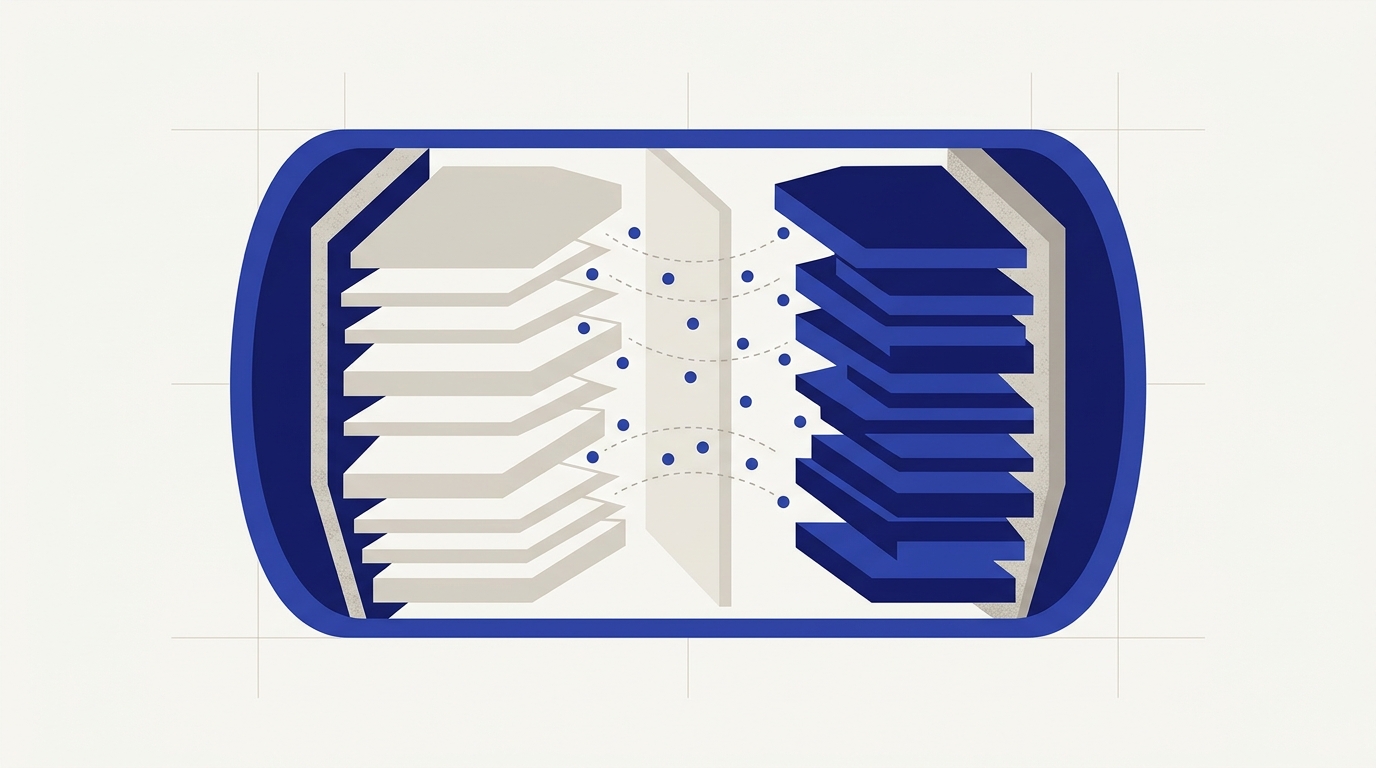
Advanced batteries and energy storage
Connect chemistry screening, synthesis evidence, cycle-life behavior, supply risk, and patent exposure before the next validation build.

Catalysis, electrolysis, and SAF
Give catalyst teams a single decision loop for adsorption evidence, intervention logic, synthesis feasibility, and commercialization context.

Semiconductor packaging and electronic materials
Shortlist package and electronic materials by combining performance, reliability, manufacturability, and qualification context in one view.

Polymers and specialty formulations
Reduce formulation space faster by combining analog search, property context, sourcing questions, and downstream constraints.

Industrial materials and process scale-up
Give process-intensive materials teams a tighter loop between recipe decisions, economics, qualification, and scale-up review.
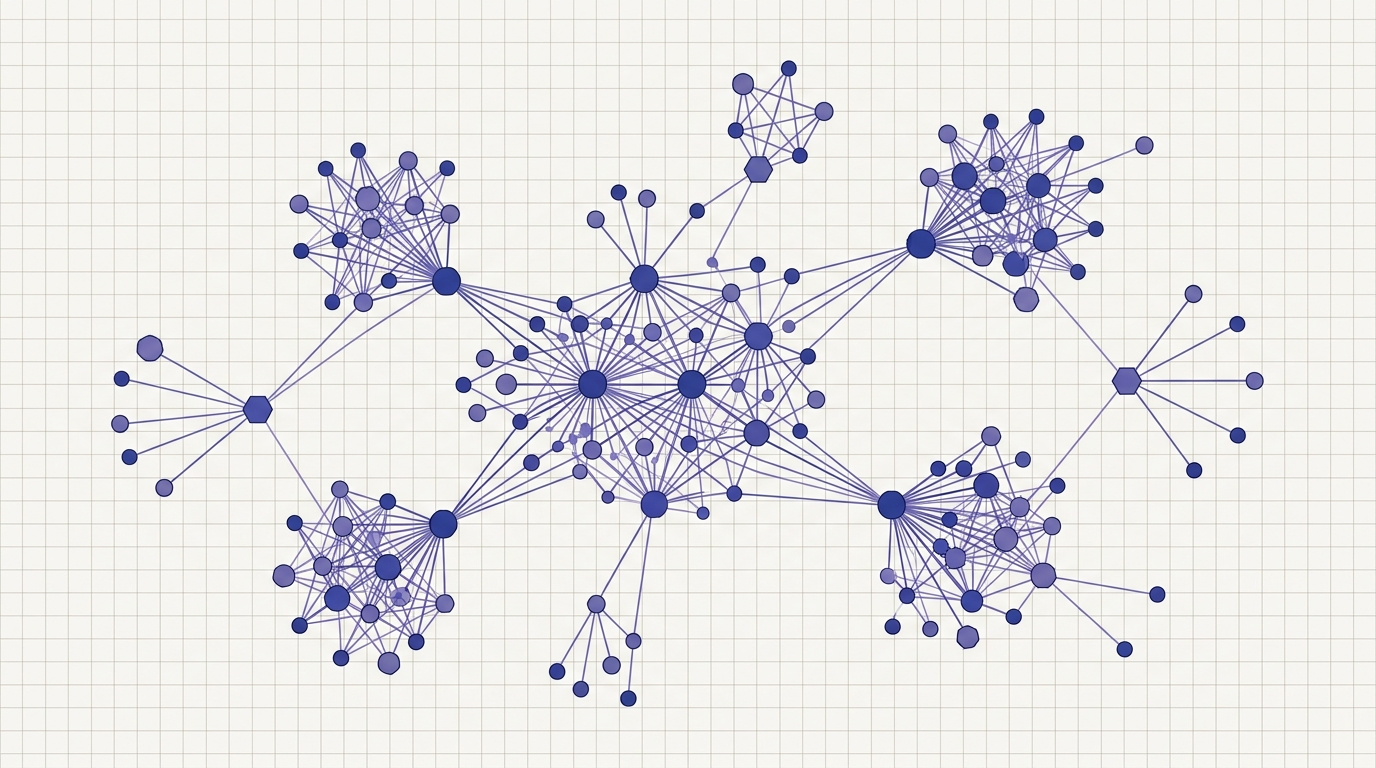
Portfolio, IP, and platform teams
Turn technical diligence into a repeatable operating system across science, sourcing, patents, and internal workflow reuse.
Mining and critical minerals
Assess 304K USGS mineral deposits across 166 countries, score supply concentration risk, and identify co-product recovery opportunities before capital commitments.
Green hydrogen and electrolysis
Identify earth-abundant HER and OER catalyst candidates with verified ΔG values, clear patent whitespace, and viable synthesis routes — all in one governed workflow.
Aerospace and defense
Screen structural alloys, thermal barrier coatings, wide-bandgap semiconductors, and radiation-hard ceramics against aerospace qualification standards with DFT-backed evidence.
Pharmaceutical and biomedical materials
Identify biocompatible inorganic materials, drug delivery substrates, and implantable device coatings with full stability and synthesis evidence — bridging materials science and biomedical qualification.
Construction and infrastructure materials
Accelerate low-carbon cement, concrete additive, and structural ceramic evaluation by connecting synthesis feasibility, process economics, and patent whitespace in one platform.
Quantum technology materials
Screen host matrices, qubit substrates, and cryogenic structural materials using DFT-validated defect formation energies, bandgap calculations, and experimental synthesis corroboration.
Government agencies and national laboratories
Give federal program officers and national lab scientists a governed materials intelligence platform for critical mineral strategy, defense materials qualification, and open-access research synthesis.
IP law and patent analytics
Give materials patent counsel and technology licensing teams a governed platform for FTO analysis, Markush genus scoping, claim invalidation research, and whitespace-based portfolio expansion.
Automotive materials engineering
Support automotive material programs from EV battery chemistry selection through structural lightweighting, thermal management, and supply chain qualification in a single governed platform.
EV battery manufacturing
Screen cathode, anode, and electrolyte chemistries against cycle-life targets, precursor availability, and qualification burden before committing validation builds.
Grid-scale energy storage
Evaluate long-duration and grid-scale battery chemistries by balancing cost per cycle, calendar life, safety margins, and critical mineral exposure.
Battery recycling and second life
Assess remaining useful life, chemistry triage, and recovery economics for end-of-first-life battery packs using early-life indicators and digital twin workflows.
Solid-state battery developers
Narrow solid electrolyte and interface candidates by ionic conductivity, electrochemical stability window, synthesis feasibility, and patent exposure.
Fuel cells
Select PEM, SOFC, and DMFC catalyst and membrane candidates by balancing activity, durability, platinum-group-metal loading, and supply chain resilience.
Sustainable aviation fuel and e-fuels
Identify Fischer-Tropsch, methanol-to-jet, and e-fuel catalyst systems with clear activity evidence, synthesis feasibility, and viable commercialization paths.
Refining and petrochemical catalysis
Support catalyst replacement, deactivation analysis, and process upgrade decisions for FCC, hydroprocessing, and reforming units with integrated evidence and economics.
Carbon capture and utilization
Screen sorbent, solvent, and membrane candidates for CO2 capture alongside electrochemical CO2 reduction catalysts — connecting capture efficiency with utilization pathway economics.
Semiconductor packaging
Shortlist dielectric, underfill, TIM, and substrate materials for advanced packaging nodes by unifying thermal, electrical, and reliability signals with qualification context.
Power semiconductors
Support GaN, SiC, and Ga2O3 device programs with substrate, epitaxy, and packaging material decisions that account for thermal management, reliability, and supply resilience.
Electronic components and passive devices
Select dielectric, ceramic, and electrode materials for MLCCs, inductors, resistors, and other passive components by balancing electrical performance with reliability and sourcing constraints.
Thermal interface materials
Narrow TIM formulations by thermal conductivity, bond-line thickness, pump-out resistance, and long-term reliability under application-specific duty cycles.
Specialty polymers
Search polymer families by property targets, compare analog materials, and bring sourcing and sustainability constraints into the same first-pass screen.
Coatings and surface treatments
Evaluate protective, functional, and decorative coating candidates by balancing durability, adhesion, process compatibility, and environmental compliance.
Adhesives, sealants, and encapsulants
Select structural adhesives, sealants, and encapsulant materials by combining bond strength, environmental resistance, process compatibility, and downstream qualification constraints.
Advanced ceramics
Screen structural, electronic, and thermal ceramic candidates by connecting DFT stability, synthesis-window feasibility, and process economics in one evaluation loop.
Specialty chemicals and additives
Compare candidate chemistries for additives, intermediates, and specialty compounds by balancing performance targets with synthesis feasibility, supply chain resilience, and IP positioning.
Cement and low-carbon construction materials
Accelerate low-carbon binder, supplementary cementitious material, and geopolymer evaluation by connecting synthesis feasibility with process economics and supply chain viability.
Consumer electronics hardware
Support material decisions across batteries, thermal management, structural housings, and display stacks under the compressed timelines and thin margins of consumer electronics development.
Optoelectronics and photonics
Select optical, dielectric, and substrate materials for LEDs, laser diodes, waveguides, and photodetectors by combining bandgap engineering with synthesis feasibility and packaging compatibility.
Water treatment and electrochemical process systems
Screen electrode, membrane, and catalyst materials for electrodialysis, electrochemical oxidation, and water splitting by combining electrochemical activity with fouling resistance and operational durability.
Solar and photovoltaic materials
Identify next-generation absorber, buffer, and contact layer candidates using DFT-validated band gaps, HSE06-corrected electronic structure, and clear patent whitespace.
Who benefits.
Discovery, process, and commercialization teams working from the same factual base instead of spreadsheet handoffs.
Discovery scientists
Which chemistries are worth synthesizing next?
Cross-source search, confidence scoring, ranking, similarity, and report generation
Shorter candidate lists with more evidence behind each oneSynthesis and process engineers
Can we make this reliably and at acceptable process cost?
Recipe search, synthesis-success prediction, optimization, and precursor alternatives
Better parameter windows and fewer avoidable process loopsCell, package, and device engineers
What should move into test, build, or qualification?
Battery, package, qualification, failure-mode, and manufacturability workflows
More defensible down-selection before expensive validation workProgram and product leaders
What is the best next bet across performance, cost, risk, and time?
Compare packages, economics, qualification burden, and recommendation outputs
Faster prioritization with fewer disconnected review artifactsIP, sourcing, and sustainability
What will block commercialization if the science works?
Patent landscape, supply-chain risk, sustainability, and provenance workflows
Earlier visibility into downstream blockers and substitution optionsAI and internal platform teams
How do we operationalize this across the organization?
REST API, Python access, and MCP tools for assistants and agents
Reusable internal workflows instead of repeated manual analysisAdjacent R&D functions.
Functions most naturally served by capabilities already in the platform.
Qualification and reliability
The same package, failure-mode, and qualification surfaces help teams responsible for gate reviews and validation planning.
Procurement and supply strategy
Supply risk and precursor alternatives are useful well before commercialization when teams are stress-testing feasible sourcing paths.
Sustainability and lifecycle
Teams responsible for carbon, footprint, or compliance can work from the same material and process context as the scientists.
Technical diligence and corp strategy
Composition reports, provenance, and IP views support portfolio reviews, partnership evaluation, and adjacent-market scouting.
Lab informatics and AI enablement
Organizations building internal copilots or automation layers can use Lattice Graph as a governed backend rather than another isolated data source.
Meet your teams where they work.
Same core intelligence through the application, the API, or MCP.